
Cat Begging at the Table: Build a Calm Meal Routine
Begging can develop when a cat sometimes receives food or attention beside the table. Consistent expectations help more than scolding.
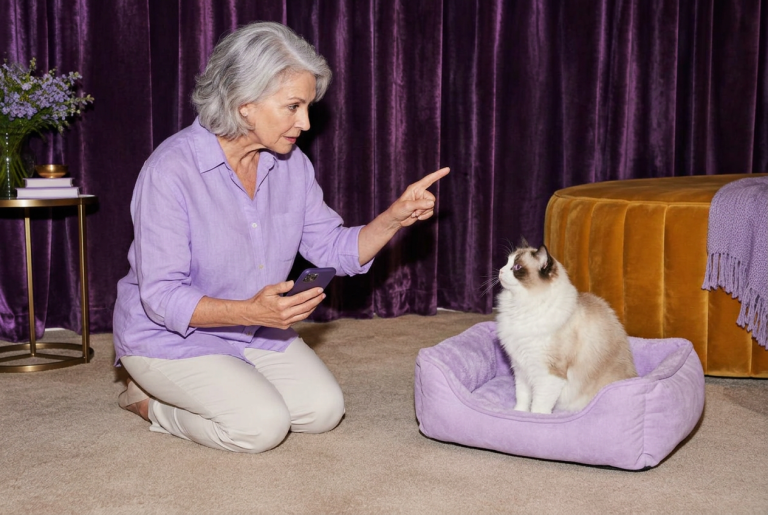
Why begging at the table can become a habit
Begging can develop when a cat sometimes receives food or attention beside the table. Consistent expectations help more than scolding. The right response begins with context. Note exactly what happens, where it occurs and what changes just before it, rather than assuming a cat is misbehaving out of spite.
Decide where your cat can comfortably settle during meals and confirm they have a suitable feeding routine.
Choose a moment when your cat has a choice to engage or leave. Predictable access to food, litter, water, comfortable resting places and safe enrichment matters before any formal lesson.
Steps to try at home
Practice over several short sessions. Repeat an earlier step when the cat seems unsure; comfort matters more than finishing on a timetable.
When this plan needs adjusting
Do not withhold appropriate meals to make training easier. Appetite increases or abrupt begging changes can have medical causes.
Keep a simple record
Track the setting, what you changed and whether your cat chose the alternative behavior. Reward calm voluntary responses instead of waiting for a perfect result. When something works, repeat the same setup a few times before increasing difficulty.
For a practical schedule, try the free Meawys training plan generator. It is a starting point, not a promise of seven-day results.
Can I give table scraps sometimes?
Occasional rewards can maintain begging. A consistent designated reward place is easier for the cat to understand.
Find another cat training answer
Educational training guidance, not veterinary diagnosis. Sudden or concerning behavior changes deserve veterinary advice.