
First Visual Introduction Between Two Cats
The first glimpse should be brief, controlled and nonthreatening, with escape routes and a physical barrier.
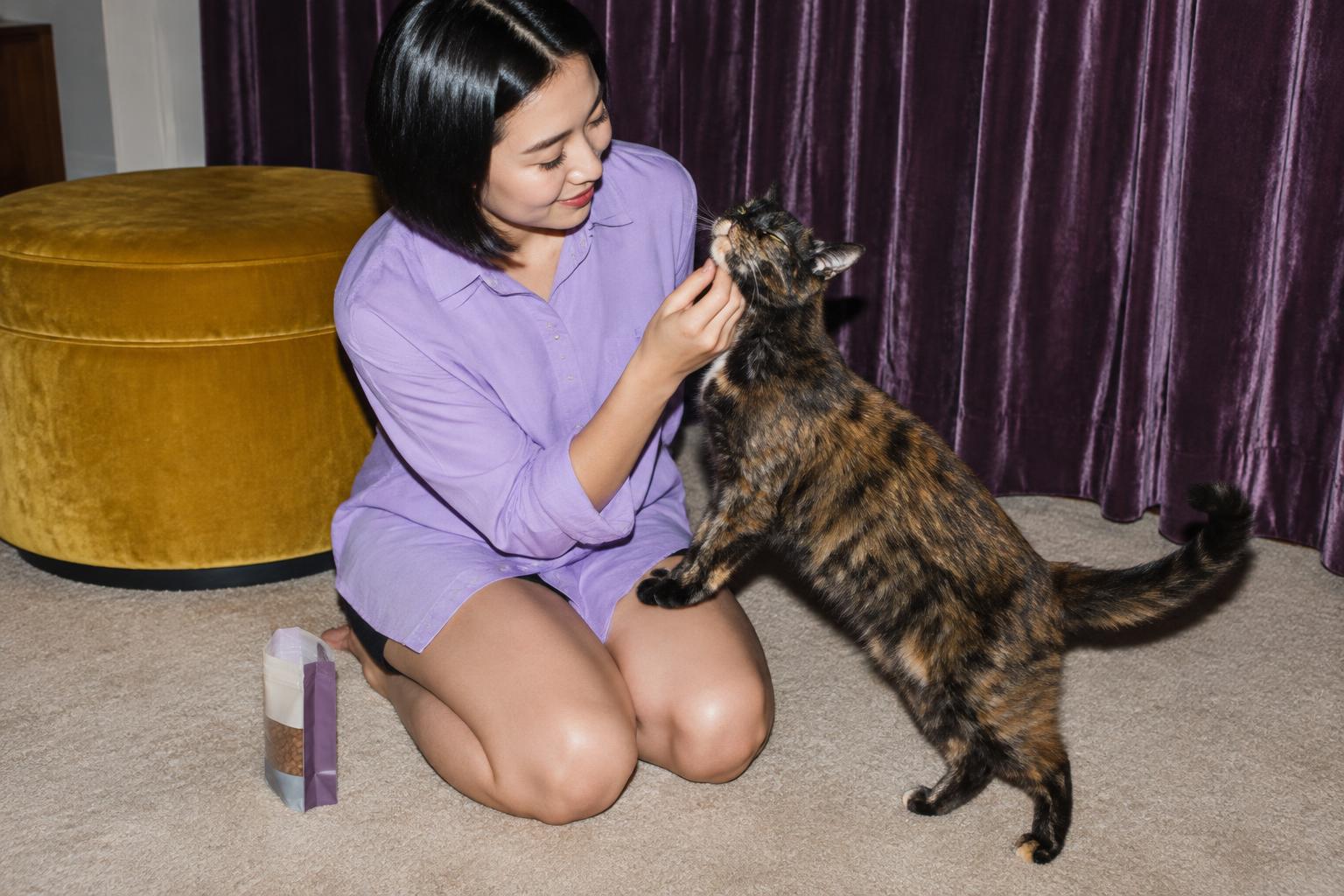
Make space for comfortable choices
Both cats should already tolerate each other's scent and sounds without major distress.
Watch for relaxed, voluntary behavior rather than treating every hesitation as disobedience. Keep food, water, litter, suitable rest and safe escape routes accessible while practicing.
A practical four-step approach
Signs to slow down
Hissing, staring, lunging or blocking calls for increased distance, not forcing a meeting.
Notice the small changes
Notice where the activity happened, what changed in the environment and whether your cat chose to participate. Introduce one adjustment at a time so the next observation is meaningful. A relaxed retreat is just as useful an observation as an enthusiastic approach.
Should I open the door so they can sort it out?
No. Uncontrolled encounters can worsen fear and create lasting conflict.
Find another training answer
Educational guidance, not veterinary diagnosis.