
Your Kitten’s First Days at Home
Your kitten doesn't need a tour of the house on day one. They need a quiet base, familiar routines, and the freedom to come closer when they feel ready.
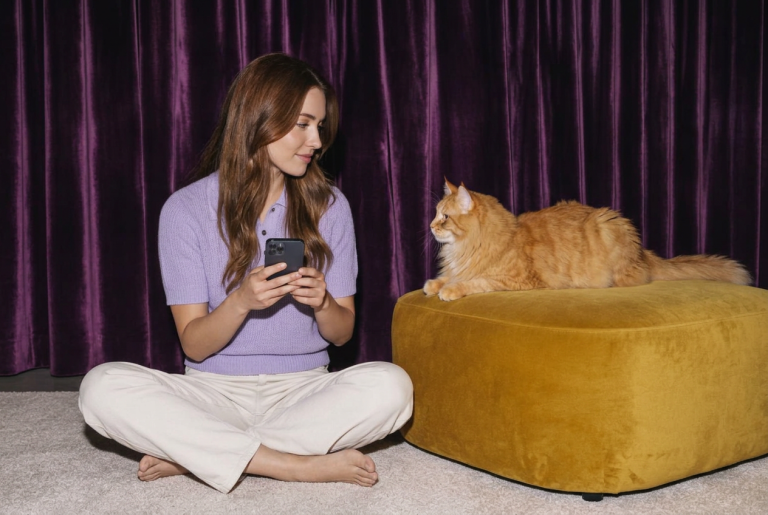
Measure first-days progress through ordinary routines
Provide a secure base area, accessible essentials, and a protected retreat before expecting social interaction. Ask the previous caregiver about familiar food and routines, and keep arrival quiet. Exploration can happen when people are not watching.
Example and progress checks
Illustrative example: note eating, toileting, resting, and voluntary investigation over comparable periods. Expand access only after the current area is comfortable. Do not force cuddling or use a fixed settling deadline. Reduced intake, unusual lethargy, or other concerning changes need timely veterinary advice.
Prepare one safe room, not the entire house
Before your kitten arrives, choose a peaceful room with a closable door. Put a low-entry litter tray well away from food and water, plus a bed, scratcher, water, familiar food, and at least one hiding place. Check tiny gaps behind furniture, cables, plants and open windows. A kitten can squeeze into places you wouldn't expect.
- Put the carrier down and open its door. Never tip or pull the kitten out.
- Keep the first hours quiet. Save introductions to visitors or other pets for another day.
- Notice whether your kitten explores, drinks, eats and uses the litter tray. These observations matter more than tricks.
How to introduce the rest of your home
Once your kitten confidently returns to the safe room and uses its resources, open an adjacent area for supervised exploration. Keep the original room available as a familiar retreat. If the kitten becomes overwhelmed, return to a smaller space instead of coaxing them onward.
- Keep feeding and play times predictable without enforcing a rigid schedule.
- Use a wand toy to invite interaction, never your hands as prey.
- Register with a veterinarian and arrange the appropriate new-kitten appointment.
The sign you're getting it right
Progress can be quiet: a kitten eating in your presence, investigating a cardboard box, or choosing to rest in the open. Don't measure settling-in by how quickly they let you pick them up. A shy kitten might need much longer than an outgoing one.
Choose a safe setup that works for your household and gives the kitten access to litter, water and undisturbed sleep. Avoid forcing contact or shutting the kitten away without necessities.
Keep learning
Bringing a Kitten Home: First-Day Checklist →Kitten Sleep Routine →Find another cat training answer
Search the Meawys library of 116 training guides, or explore more kitten training topics.
Explore all kitten training guides →Further reading: Bringing a new kitten home. Meawys offers educational training guidance, not veterinary diagnosis.