
Training a Cat Around Distractions
A cue learned in one quiet room may not work automatically where people, toys or sounds compete for attention.
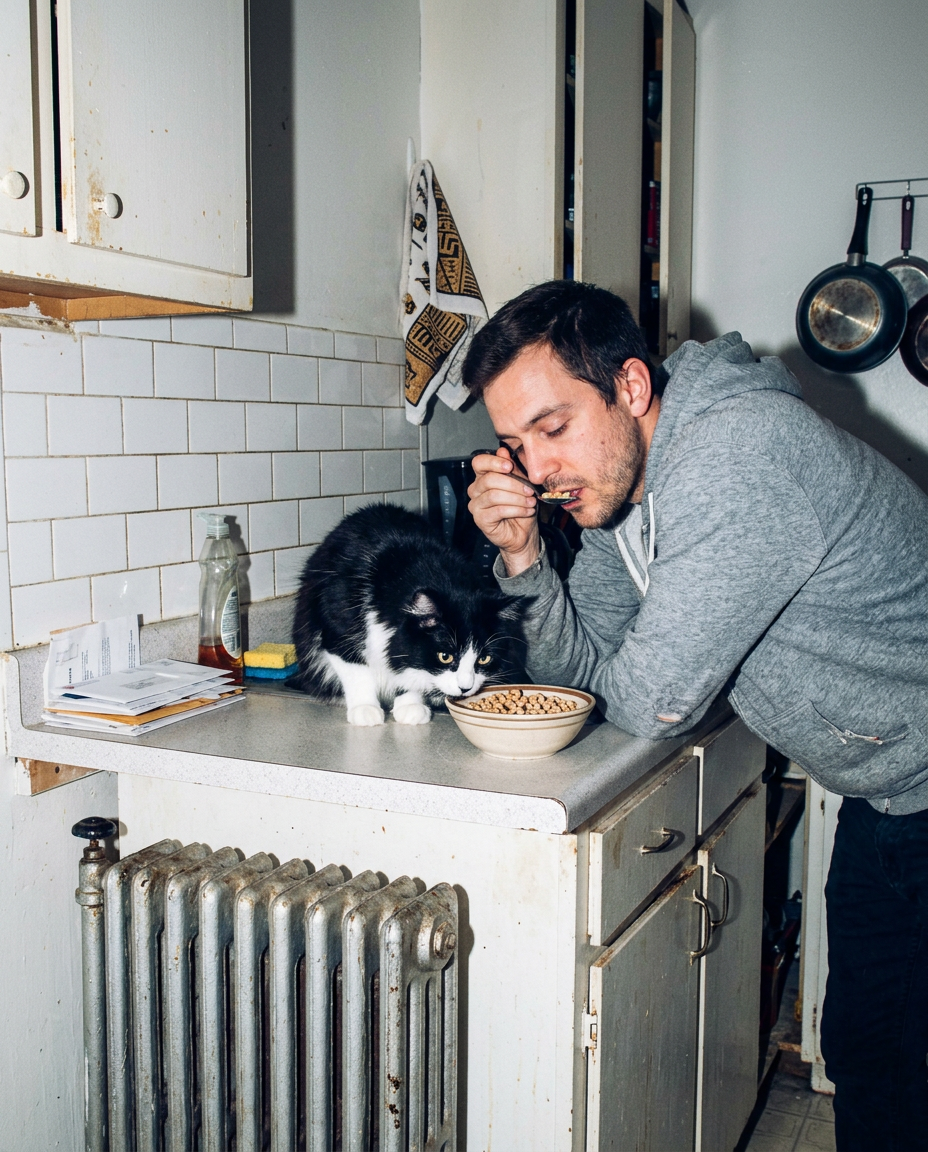
Getting started with training a cat around distractions
First verify the behavior is easy and comfortable in the original training location.
Have rewards within reach, remove distractions and leave an easy exit. A cat who can choose to participate is more likely to enjoy returning for the next session.
Practice the skill in four easy steps
1
Move practice to a slightly different spot in the same room.
2
Reduce your expectations and reward the simplest successful response.
3
Add only one mild distraction while maintaining a safe distance.
4
Return to the easy setting if your cat becomes uncertain or stops responding.
When to make this easier
Avoid loud noise challenges or placing your cat near a trigger that causes fear.
Training note: Reward voluntary actions, never pressure your cat, and stop if they seem distressed.
Why does my cat ignore a cue in a different room?
Cats often need practice in several contexts. The cue may not yet be generalized.
Find another cat training answer
Educational information, not veterinary advice. For pain, distress or medical concerns, contact your veterinarian.