
Cat Trainers Near Me: How to Find a Qualified Cat Trainer
Typing 'cat trainers near me' is easy. Finding someone who understands feline behavior, uses humane methods and can help with your particular cat is the part that deserves a little homework.
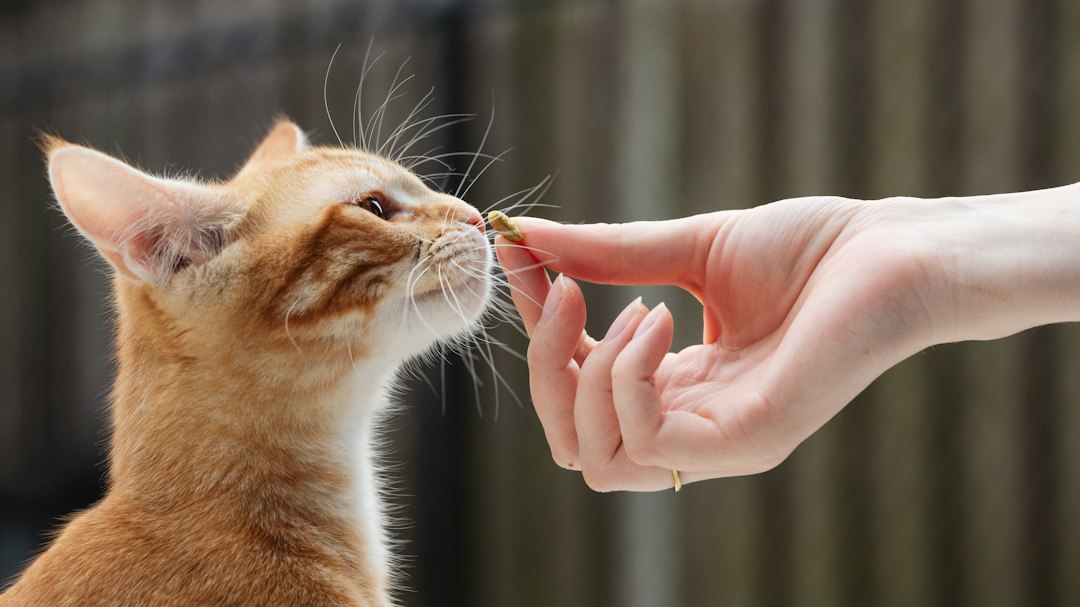
Quick answer: Start with credentialed consultant directories such as the International Association of Animal Behavior Consultants (IAABC) and the American Veterinary Society of Animal Behavior (AVSAB). Check cat-specific experience, qualifications and training methods. For coaching on everyday practice, remote trainer chat can also be useful, but it is not the same thing as hiring an in-person local consultant.
You do not need to be in a large city to find a good starting point. Local specialists may provide home visits, while remote professionals can often review your routines and help you practice reward-based skills. The right format depends on the problem and your cat's safety.
Where to find cat trainers near you
Search the IAABC consultant directory
The IAABC consultant locator allows you to filter by animal species, including cats, and search by location or virtual-consultation availability. A listed credential can help narrow your search, but you should still ask about the professional's specific feline experience.
Check the AVSAB directory for veterinary behavior help
The American Veterinary Society of Animal Behavior directory helps locate veterinary and other behavior professionals. This route is especially relevant if your cat may need a medical assessment or behavior treatment coordinated with a veterinarian.
Ask your veterinarian for a referral
Your primary veterinary team may know professionals with relevant qualifications and may help distinguish a training question from pain, stress or another medical problem. A referral is valuable when your cat suddenly bites, urinates outside the box, hides or changes its usual behavior.
Try a targeted search rather than only 'cat trainer near me'
Add your city or ZIP code and the concern: “cat behavior consultant litter box,” “cat trainer cooperative care,” or “feline behaviorist aggression.” Review the practitioner's services and qualifications rather than trusting the first sponsored result.
Cat trainer, behavior consultant or veterinary behaviorist: what is the difference?
| Professional | Typical focus | Best first use |
|---|---|---|
| Cat trainer | Teaching skills and routines with reinforcement | Carrier entry, target training, recall, cooperative care |
| Cat behavior consultant | Behavior assessment and changes to home routines | Fear, resource conflict, persistent behavior challenges |
| Veterinarian / veterinary behavior specialist | Medical assessment and, when appropriate, treatment | Sudden behavior changes, pain, severe aggression, urinary problems |
Titles and legal rules vary by location; not everyone using “behaviorist” has the same education or professional credentials. Ask about relevant qualifications, the methods used and the plan for coordinating with your veterinarian.
8 questions to ask before hiring a cat trainer
- What feline-specific training or behavior qualifications do you hold? Ask for verifiable education and practical experience, not a vague title.
- What methods do you use? Look for rewards, choice, gradual changes and respect for a cat's signals.
- Have you worked with this exact issue? A carrier problem is different from severe redirected aggression.
- Will you require a vet check first? Especially for new house-soiling, aggression or changes in appetite and activity.
- Do you offer home visits or remote sessions? Ask what each involves and whether travel is charged separately.
- What will I receive after the session? A written, manageable practice plan is helpful.
- How do follow-ups work and what does the full service cost? Confirm fees, cancellation rules and any package terms.
- What happens if the cat is frightened? A qualified professional should be ready to stop or simplify rather than force compliance.
Red flags when searching for cat trainers near me
Be cautious of anyone promising to cure every problem in one session, claiming all cats are “dominant,” recommending spraying water, physical corrections or forced exposure to feared people, or refusing to discuss their qualifications. Such approaches can increase fear and damage trust.
A genuine professional should be comfortable explaining what is known, what remains uncertain and when a veterinarian is needed. A plan that protects safety and prioritizes comfortable, voluntary behavior is more valuable than a dramatic before-and-after video.
In-person cat trainer vs online cat trainer
In-person support can be helpful when a professional needs to observe your cat's environment, room layout, interactions with other pets, or practical handling setup. Home-visit availability varies by area and may involve travel fees.
Online coaching can work for many training skills because the caregiver practices directly with the cat. Sharing short videos and a simple log may let a professional suggest smaller exercises and safer routines. Virtual guidance has limits, especially during high-risk aggression or medical problems.
Meawys offers free cat training lessons for owners starting independently. The real cat trainers guide explains the value of human support, and the Meawys app lists trainer chat as a Premium feature. It should not be presented as an in-person “cat trainer near me” service or an emergency veterinary line.
How much do cat trainers near me charge?
Rates vary with the practitioner's credentials, your location, whether a home visit or remote session is involved, and how many sessions the issue may require. Rather than relying on a nationwide price guess, request a written quote and ask about total cost, follow-ups and cancellations.
Compare what you will receive, not just the hourly rate. A cheaper appointment with no practical written plan may be less useful than a well-scoped consultation. For everyday skills, beginning with free lessons can help you ask better questions before booking personal support.
When a cat behavior issue should go to the veterinarian first
Unexpected changes in urination, sudden aggression, painful handling, hiding, weight or appetite are reasons to talk to your veterinarian. A cat straining to urinate with little or no urine needs emergency care, particularly a male cat. A behavior trainer cannot diagnose a blockage or prescribe medication.
If the cat is currently injuring people or other pets, manage safety and ask your veterinary team for an appropriate behavior referral before attempting close-contact exercises.
Cat trainers near me: FAQs
Is there a certified cat trainer near me?
Use the IAABC directory and filter for cat-related credentials and your city or ZIP code. Verify current availability and services directly with each professional.
Can I hire a cat trainer online?
Yes, some consultants offer virtual visits. Online instruction can help with many routines but is not equivalent to hands-on assessment or emergency veterinary care.
Are Meawys trainers local home-visit providers?
Meawys is an app-based training resource. Its trainer chat is a Premium feature and should not be confused with local in-person visits.
Can I begin cat training for free?
Yes. Meawys lists free step-by-step lessons, and you can also use its publicly accessible guides for humane beginner skills.
Related articles: Free cat training apps · Cat training for beginners · Meawys cat trainer chat overview
Sources and further reading: IAABC: Find a Consultant · AVSAB: Directory of Behavior Professionals · FelineVMA: Setting Up the Environment for Success · Meawys: official App Store listing. Photo: Sies Kranen / Unsplash. This article provides general educational information and does not replace veterinary diagnosis or emergency care.