
Kitten Socialization Without Stress
Good socialization isn't about meeting the most people. It's about experiences your kitten can handle, with a chance to retreat and try again.
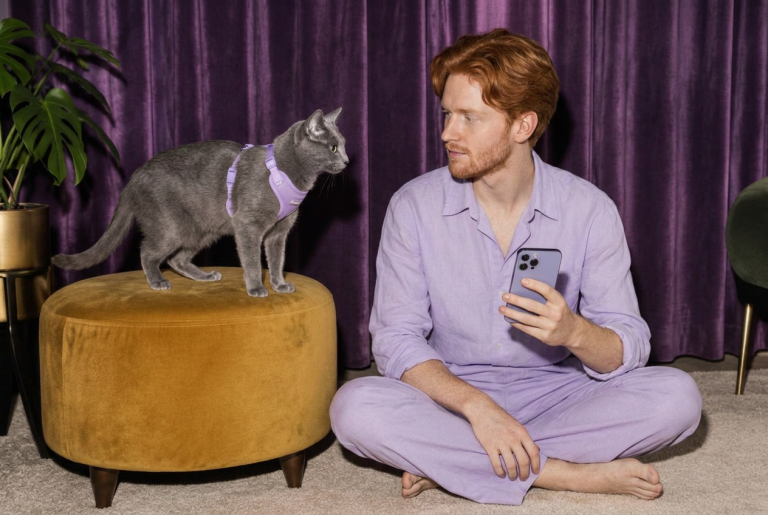
What a positive introduction looks like
Start with the kitten in a familiar room where they can hide, climb or leave. Choose one gentle new sight, voice or sound at a time. Offer a reward when the kitten remains relaxed or chooses to investigate. If the kitten freezes or avoids food, reduce the intensity.
- Ask visitors to sit quietly and allow the kitten to approach.
- Try everyday household sounds from a distance or low volume.
- Keep new experiences short enough that the kitten can recover and rest.
People, sounds and touch are different lessons
A kitten comfortable with one adult may still be unsure about children, movement, vacuum noise or a new handling routine. Practice those situations separately. For children, use a wand toy under adult supervision rather than lifting or passing the kitten around. For touch, begin with an area the kitten enjoys and stop before resistance.
If your kitten is already shy
There is no benefit in forcing exposure. Give the kitten predictable routines and control over distance. Reward looking toward a visitor before hoping for contact. If new experiences repeatedly trigger intense fear, discuss the situation with a veterinarian or a qualified feline behavior professional.
No. Several intense introductions can overwhelm a kitten. Short, positive encounters with breaks are more useful.
Keep learning
Kitten and Children Introductions →Gentle Kitten Handling →Find another cat training answer
Search the Meawys library of 116 training guides, or explore more kitten training topics.
Explore all kitten training guides →Further reading: Kitten socialisation. Meawys offers educational training guidance, not veterinary diagnosis.
What does a comfortable introduction look like?
The kitten's response determines whether to repeat, reduce, or stop an experience.